
4 Steps to a Stress-Free Budget for Nurses
A Nurse’s Guide to Creating a Personal Budget
Blog / 4 Steps to a Stress-Free Budget for Nurses
3 Min Read

Nurses often feel like they never have enough money. Creating a budget is a great first step for nurses looking to take control of their finances and get closer to achieving their financial goals. Budgets are also an excellent way for nurses to save money for a down payment on a home or to build an emergency fund. Here are four simple steps to create an effective budget.
Step 1: Calculate Net Income and Monthly Expenses
The first step for nurses is to determine their net income, which is comprised of all the money earned minus what is taken out for taxes. Nurses should include all other sources of monthly income, including things like side hustles. For nurses who are employed by a company, the amount of money that is deposited into your account each pay period is typically your net income. For nurses with other sources of income, like side hustles, they will need to remove the correct amount of taxes that will be owed on that income.
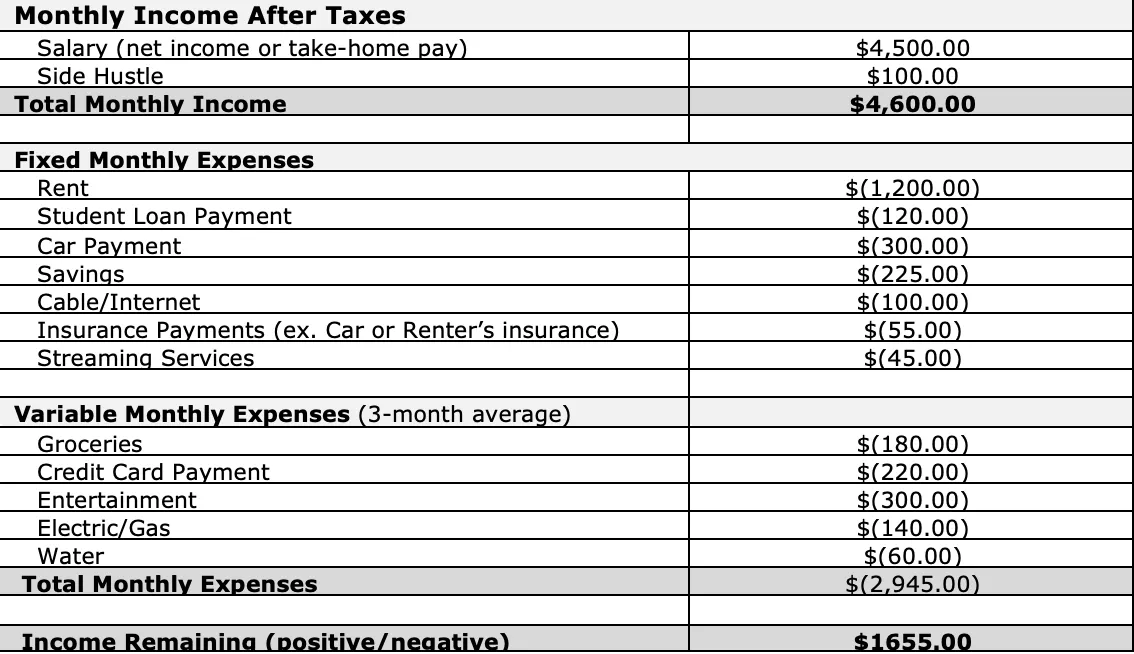
Next, nurses should calculate their monthly expenses. The easiest way is to gather at least the last three months of checking account and credit card statements and use them to create a budget worksheet. Be sure to separate all expenses into fixed and variable categories. Fixed expenses are the same amount each month, like rent, utilities, insurance, and debt repayment. Variable expenses are a little less predictable because they are different amounts each month. Examples of variable expenses include things like dining out or entertainment. Use an average of several months for each variable expense to calculate an accurate estimate.
To get started, NIHFCU - THE Credit Union for Nurses - has provided an example budget worksheet with some of the most common categories of expenses:
Step 2: Review Spending and Make a Plan
The next step in creating a budget is subtracting monthly expenses from net income. If there is more income than expenses, that means there is extra money available in the budget each month. If there are more expenses than income, that means spending is outpacing the money coming in. Nurses spending more than they are making will either need to adjust their monthly spending or increase their monthly income.
For instance, let’s say expenses total $300 more than monthly income. This should trigger a review of variable expenses to find ways to cut costs in the amount of at least $300. This may include reevaluating how much is spent on entertainment, household goods, streaming subscriptions, and other discretionary costs.
On the other hand, if there is extra income left after all expenses are paid, nurses could use this money for additional spending or to increase their monthly savings. This is especially important for nurses who do not currently have an emergency fund.

Track Spending with NIHFCU
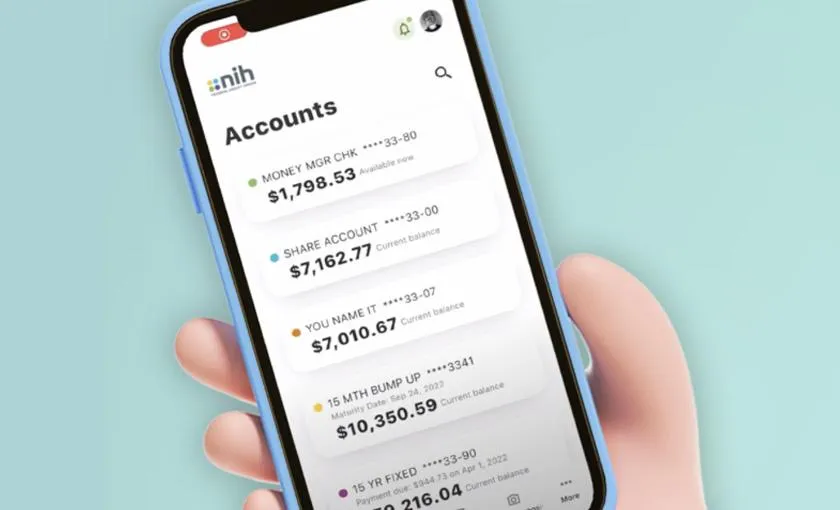
The NIHFCU online banking experience categorizes and analyzes what, where, and how nurses spend their money and provides customizable visualizations that help them stay in control of their finances. Learn more
Step 3: Set Spending and Savings Goals for the Future
Setting financial goals is like creating a patient care plan – it reminds budgeters to stay on the right track. A budget surplus can be used to build an emergency fund, start a savings account for a specific goal like travel, or create an investment account to build your nest egg. It’s a great idea to revisit your goals at least once yearly so you are always working with the most updated plan.

Set Goals With NIHFCU
The NIHFCU goal-setting tool can set up automatic savings transfers to help keep busy nurses on track as they work to reach their savings goals. Learn more
Step 4: Sign up for a Budgeting App
For nurses, a good budgeting app can make all the difference. Most credit unions, banks, and investment accounts have built-in budgeting apps that automatically sort spending into categories and provide live balance updates. For the first few weeks, reviewing and adjusting the app’s spending categorizations is essential to ensure they are recorded in the best categories for you. Most budgeting apps will also allow you to set up account notifications to alert you when spending is approaching predetermined limits.
View all Accounts in One Place
With NIHFCU, nurses can connect all of their financial accounts together in one place through our online banking platform. This even works with accounts from other financial institutions. Learn more
Essential Budgeting Tips and Tricks
Set up an Emergency Fund: NIHFCU, THE Credit Union for Nurses, recommends having enough money in savings to cover a minimum of six months of expenses in the event of an emergency. This will act as a financial first-aid kit, ready for any emergency.
Separate Savings Accounts: Use different accounts to save for specific goals like an emergency fund, long-term savings, and savings for specific goals like a big trip.
Automate Savings: Most online banking systems allow predefined account transfers and payments to be set up. These can be used to automate transfers to a savings account or an emergency fund or to help pay down debt.
50-30-20 Rule
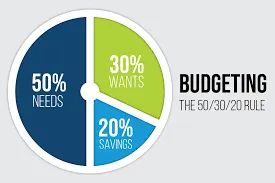
A popular budgeting rule states that nurses should spend 50% of their after-tax income on “needs” (e.g., rent, food, medical insurance, etc.), 30% on “wants” (e.g., shopping, eating out, travel, etc.), and 20% on savings and debt repayment. When creating a budget worksheet, it makes sense to separate expenses into these three subcategories to keep the 50-30-20 rule in mind.
Final Thoughts
For most nurses, every dollar counts. Using these four simple steps to create an effective budget can help nurses begin taking control of their financial lives. At NIHFCU, THE Credit Union for Nurses, we understand the needs of hard-working nurses like you. That’s why we offer multiple free budgeting tools designed with nurses in mind. For more information, visit our website.
The material provided in this article is for informational use only and is not intended for financial or investment advice. NIH Federal Credit Union and its affiliates assume no liability for any loss or damage resulting from one’s reliance on the material provided. NIH Federal Credit Union is not affiliated with any company or organization mentioned in this article. Additionally, the content of this article is not updated regularly; therefore, some of the information may not be current. Consult with your financial professional when making financial or investment management decisions.
About NIHFCU
Since 1940, the NIHFCU has been helping busy healthcare and biomedical professionals save time and money with convenient banking solutions and affordable loans of all kinds. Learn more about THE Credit Union for Nurses and learn what we mean when we say “Discover Banking with Heart”.
Share
About NIHFCU
Since 1940, the NIHFCU has been helping busy healthcare and biomedical professionals save time and money with convenient banking solutions and affordable loans of all kinds. Learn more about THE Credit Union for Nurses and learn what we mean when we say “Discover Banking with Heart”.